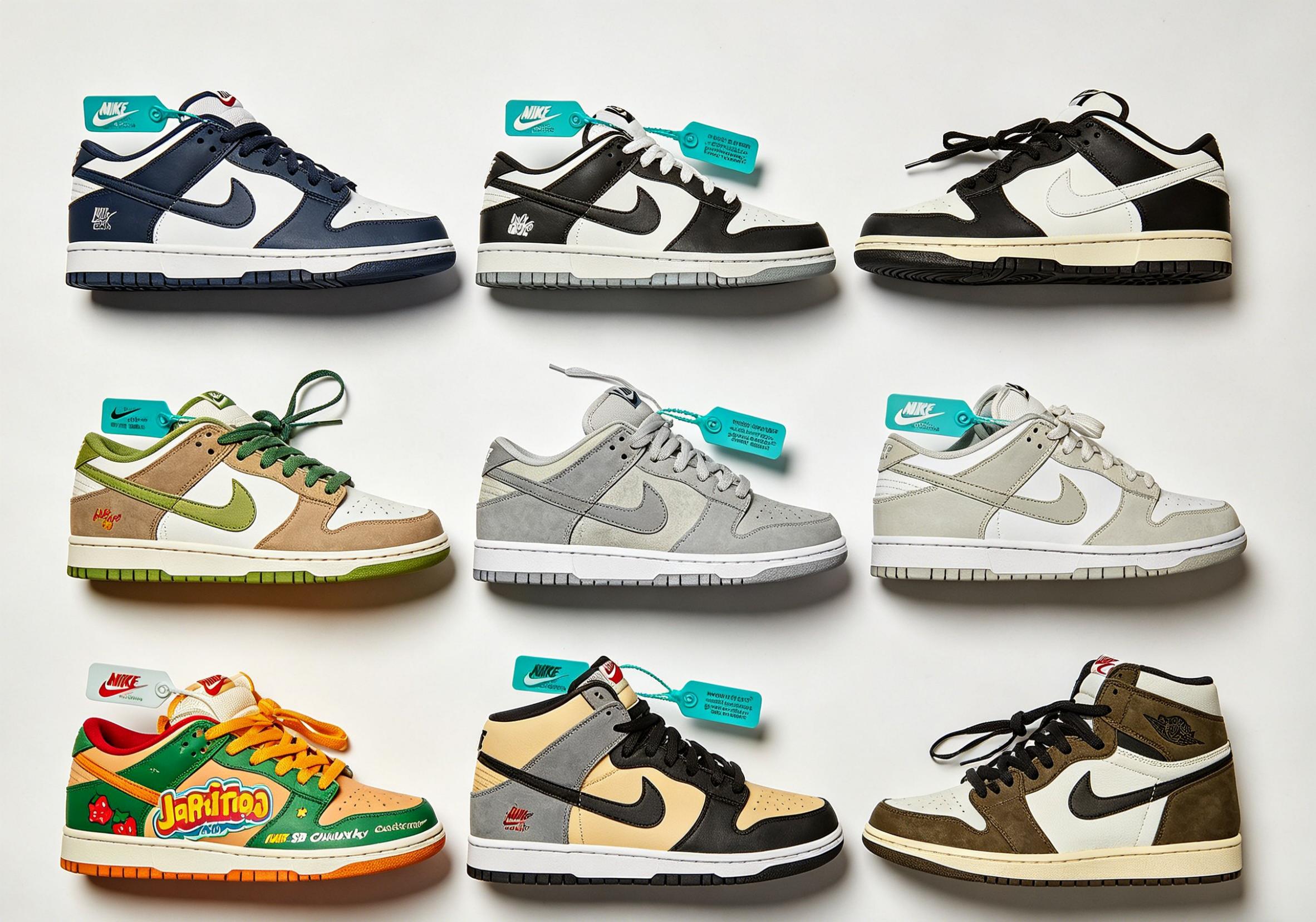
Replica Sneakers, Decoded
The community uses "replica," "rep," "dupe," and "fake" as if they're synonyms. They're not. The differences matter — for quality expectations, legality, and what you should actually pay. Here's the honest breakdown without the affiliate-blog filler.
What "Replica Sneakers" Actually Means
In sneaker community usage, a replica is an unauthorized copy of a branded shoe that uses the original brand's logos, name, and design — produced to look as close to the original as possible. The term took over after 2018 when high-tier factories started producing copies that genuinely passed casual inspection. Before that, "replica" was a niche term; now it's the default community shorthand for any branded copy above the bottom tier.
The confusion: "Replica" is also a registered trademark used by Maison Margiela for their fragrance line and a small footwear collection. When someone Googles "maison margiela replica sneakers", they're often looking for the legitimate Margiela product line — not a knockoff. The same word, two completely different things. This guide is about the unauthorized-copy meaning, which is what the rep community uses.
Replicas are sold openly as copies. The buyer knows what they're buying. This is what separates them from fakes — counterfeits sold deceptively as genuine. A replica seller doesn't pretend the shoes are real Nike; a fake seller does. That distinction matters legally and ethically, even if both involve trademark infringement at the manufacturing level.
Replica vs Reps vs Dupes vs Fakes — Decoded
These four terms get used interchangeably online, especially on Reddit and TikTok where the distinctions get blurred for engagement. Here's how the rep community actually uses them, and why getting the term wrong leads to bad purchases.
| Term | Uses Brand Logos? | Quality Tier | Sold As | Legality (Buyer) |
|---|---|---|---|---|
| Replica | Yes | High (often called 1:1) | Openly as copy | Gray area |
| Rep (community shorthand) | Yes | All tiers | Openly as copy | Gray area |
| Dupe | No | Mid (varies) | "Inspired by" | Fully legal |
| Fake | Yes | Low | Deceptively as authentic | Illegal (selling) |
Replica is the high-tier, branded-copy meaning. When someone says "this M Batch is a 1:1 replica," they mean a near-perfect branded copy. Quality is the defining trait. The shoe carries Nike's swoosh and uses Nike's design language without authorization.
Rep (or "reps") is community shorthand. It's broader — covers everything from premium replicas down to mid-tier copies. When someone asks "where to buy reps," they could mean any tier. This is the term you'll see most on r/RepladiesDesigner and similar subs. Batch rankings use this terminology because the community does.
Dupe is fundamentally different. A dupe is a legal alternative — a shoe that captures the look without using the brand's logos or trademarked design elements. Dupes are sold openly through normal retail channels (Target, Amazon, Etsy) because they don't infringe on trademarks. They're not lower-tier replicas; they're a different category entirely.
Fake usually carries a moral judgment — it implies deceptive selling. The eBay seller listing a low-quality copy as "100% authentic" is selling fakes. The factory in Putian producing the same shoes and openly marketing them as replicas is selling reps. Same product, different framing. The rep community generally rejects "fake" as a label because it conflates open replicas with deceptive counterfeits.
The Replica Sneaker Quality Tier System
Inside the replica market, quality varies enormously. A ¥130 budget pair and a ¥380 top-tier pair are both "replicas" but the experience of owning them is completely different. The community has settled on roughly three tiers, though the labels vary by factory and seller.
Top Tier (1:1 / Master / S-Grade)
¥320 and up. Uses original molds where obtainable, premium leather sources, and color-matched dyes. M Batch from A1 Top is the canonical example for Dunk Lows. These pass casual inspection and often pass authentication apps. Materials feel close to retail: leather has the right grain, weight, and break-in pattern; stitching tension matches; midsole foam compresses correctly underfoot. You're not getting away with anything in a sneaker authentication group, but on the street, nobody can tell.
Mid Tier (B-Grade / Good Quality)
¥180–¥280. The sweet spot for most buyers. HP Batch, PK Batch, and VT Batch on the Dunk Low side. Quality is good enough that the shoe looks correct on foot, but side-by-side with a retail pair, you'd spot 2–3 differences within 30 seconds. Common giveaways: slightly off-shape toebox, swoosh asymmetry, midsole paint imperfections. For everyday wear, mid-tier is usually all you need — you save 40-50% versus top tier and the visible difference doesn't matter when nobody's putting your shoe under a magnifying glass.
Budget Tier (Generic / Wish-Grade)
Under ¥150. G Batch on the Dunk Low side. Stitching may be clean but materials feel cheap — leather is often synthetic, midsole foam is thinner, and color accuracy drops on complex colorways. Don't buy budget for shoes you want to wear publicly with sneakerheads. Buy budget for beaters, gym shoes, or simple colorways like solid black where dye precision doesn't matter. The price is honest about what you're getting.
Tier doesn't fully transfer across brands. M Batch is top-tier for Dunks but a different factory might be top-tier for Jordan 4s. Always research batch by silhouette, not by factory name alone. The QC checklist helps you identify whether the pair you actually received matches its batch's typical quality — within any tier, individual pairs vary.
Should You Buy Replica Sneakers?
This isn't a moralizing section — you're an adult, you can decide. But the honest considerations:
For everyday wear: Mid-tier replicas at ¥200 give you a shoe that looks correct, fits like the original, and lasts roughly as long as retail Dunks (which is to say: not forever, regardless of source). At that price, replicas make economic sense if you'd otherwise pass on the silhouette entirely. The "replica sneakers everyday" use case is real — most rep buyers wear theirs daily, not for collection.
For hyped releases that are sold out: Top-tier replicas of limited drops let you wear shoes you couldn't buy retail at any price. This is where high-tier batches earn their premium — you're not just saving money, you're getting access. Travis Scott collabs, Off-White Dunks, and limited SB releases are common targets here.
What replicas are not great for:
- Reselling — moving replicas as authentic is fraud and reseller communities ban it aggressively
- Authentication challenges — top-tier passes most app checks but consistent fooling of pros isn't realistic
- Long-term collection pieces — materials degrade faster than retail, especially budget tier
- Support gestures to brands — buying reps is opting out of supporting the original brand, which some buyers care about and others don't
The legal layer: Buying replicas for personal use sits in a legal gray area in most countries — actual prosecution of individual buyers is essentially nonexistent. Customs occasionally seize obvious replicas at international borders; this varies wildly by country and shipping method. Selling, importing for resale, or commercial distribution is illegal under trademark law in nearly every jurisdiction. If you're buying reps for personal wear, the practical legal risk is low; if you're trying to flip them, you'll eventually get caught.
The Bottom Line
Replica means a high-tier branded copy, sold openly. Rep is the broader community term covering all tiers. Dupe is a different category — legal, no logos. Fake usually means deceptively-sold counterfeits. If someone uses these terms interchangeably, take their advice with skepticism — they probably haven't done the work to know which tier they're actually buying. For Dunk Lows specifically, start with the batch rankings, then run the QC checklist on whatever pair you receive. That's the whole game.
Direct factory links · Batch rankings updated weekly · No affiliate fees
Replica Sneakers FAQ
About This Guide
Most "replica sneakers explained" pages on the internet are written by content marketers who've never bought a pair. They blend terms together, miss the legal nuances, and ultimately exist to push affiliate links to whatever seller paid them. This page exists because I've been buying reps since 2019 and the terminology confusion still costs people money — buyers paying replica prices for fakes, or buying mid-tier and expecting top-tier quality.
The breakdowns here come from actual purchasing experience across all three tiers, plus reading every major rep subreddit's wiki for cross-checking. I update this page when terminology shifts or when a new tier emerges — for example, "S-grade" entered common usage in 2023 and "1:1" partly displaced "top tier" around the same time. If you spot something out of date, the contact info is in the footer.